
03Oct

How to Reduce Time-to-Hire Without Sacrificing Quality – Practical Strategies with Tech and Process.

Hiring top talent faster is one of the biggest challenges for today’s HR leaders. Extended hiring cycles can lead to lost productivity, frustrated candidates, and missed opportunities. On the other hand, rushing the process risks poor hires that cost time and money. The solution lies in finding the right balance: reducing time-to-hire without compromising candidate quality. Below, we’ve gathered the most frequently asked questions on this topic, with practical strategies you can apply today.

Why is reducing time-to-hire so important for businesses today?

Time-to-hire directly impacts business performance, candidate experience, and employer brand. Faster hiring means less disruption, lower costs, and a competitive advantage in attracting top talent.

In today’s fast-moving job market, skilled candidates are often off the market within 10–15 days. A slow recruitment process not only increases the risk of losing these candidates to competitors but also creates inefficiencies in operations. Additionally, a drawn-out hiring experience can harm your reputation as an employer. Streamlining the hiring timeline signals that your organization values candidates’ time and is decisive, which strengthens your employer brand.

How can technology help speed up recruitment without lowering quality?

Tools like AI-powered screening, applicant tracking systems (ATS), and automated interview scheduling remove bottlenecks, freeing recruiters to focus on deeper candidate evaluation.

Technology is no longer optional—it’s essential. AI-powered platforms like RecruitGPT.ai (used by Expert Recruiting) help quickly analyze resumes, match candidates to role requirements, and highlight the best-fit applicants. Automated scheduling tools eliminate endless email back-and-forth, while video interviews allow faster initial assessments across time zones. By integrating these solutions, companies can reduce administrative tasks, accelerate decision-making, and ensure recruiters spend more time on meaningful conversations with candidates.

What role does process optimization play in reducing time-to-hire?

Even the best tech won’t help if the hiring process itself is inefficient. Clear workflows, well-defined roles, and structured communication are key.

Many delays occur not from lack of candidates but from unclear steps in the hiring funnel. Organizations should map their hiring process, identify bottlenecks (such as long approval chains or redundant interviews), and eliminate unnecessary steps. For example, replacing three separate interview rounds with a panel interview can cut weeks from the timeline. At Expert Recruiting, we often advise clients to set service-level agreements (SLAs) for each stage, ensuring that hiring managers and recruiters work in sync with defined turnaround times.

How do you balance speed with quality when hiring?

The key is combining data-driven insights with human judgment—screen fast, but validate carefully.

Speed and quality don’t have to be at odds. Recruiters can use structured scoring rubrics, behavioral interview frameworks, and standardized skills assessments to ensure consistency and fairness. Data from previous successful hires can also inform decisions, helping to identify which candidate traits predict success. Expert Recruiting emphasizes a “tech + human” model, where AI speeds up the initial process but final decisions are always guided by experienced recruiters who evaluate cultural fit and long-term potential.

What are some quick wins to shorten the hiring process right now?

Simplify your job postings, pre-screen effectively, and use technology for admin-heavy steps like scheduling.

Sometimes small adjustments make a big impact. Start with job descriptions—clear, specific postings attract better candidates faster, reducing wasted interviews. Next, implement short pre-screening questionnaires or skills tests to filter out unqualified applicants early. Finally, adopt calendar-syncing tools for instant interview scheduling. Together, these simple changes can shave days (or even weeks) off your time-to-hire without requiring a full system overhaul.

How can employers improve candidate experience while hiring faster?

Transparent communication, timely feedback, and respectful interactions keep candidates engaged even in a faster process.

Candidates are more likely to accept an offer—and recommend your company—when they feel valued. Provide realistic timelines upfront, communicate next steps clearly, and give feedback quickly. Even if a candidate isn’t selected, a thoughtful follow-up preserves your reputation and widens your talent pool for future roles. By combining efficiency with empathy, you ensure that speed never comes at the cost of professionalism or candidate trust.

Should companies outsource recruiting to reduce time-to-hire?

For many organizations, partnering with a recruitment firm is the fastest way to access qualified candidates without stretching internal resources.

Outsourcing recruitment brings specialized expertise, broader networks, and proven processes to the table. Firms like Expert Recruiting combine AI-driven tools with experienced recruiters to deliver both speed and quality. Instead of starting from scratch, employers tap into pre-vetted talent pools and structured workflows, dramatically cutting hiring times. This model is particularly effective for roles that are urgent, high-volume, or highly specialized.

Conclusion: Faster Hiring, Smarter Hiring

Reducing time-to-hire without sacrificing quality requires a mix of the right technology, streamlined processes, and a candidate-first mindset. The payoff is significant: lower costs, happier candidates, and stronger business performance.

At Expert Recruiting, we specialize in helping companies achieve exactly this balance. Whether through AI-powered tools, process optimization, or direct recruiting support, we ensure you hire faster and smarter.

17Sep

The Importance of Innovating Your Employer Branding for the New Workforce

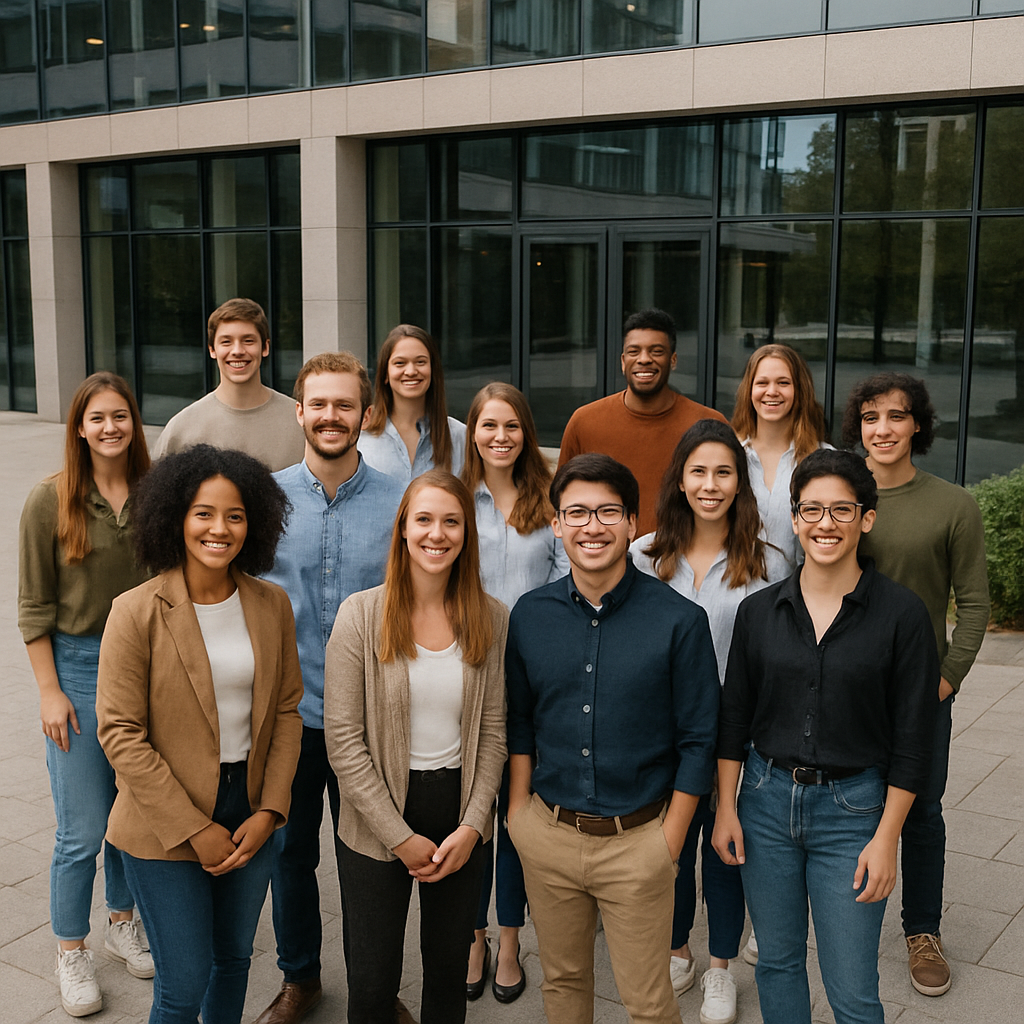
In today’s rapidly shifting labor market, employer branding is no longer static—it must evolve to meet the expectations of a new generation of professionals. Gen Z and Millennials, now representing the majority of the workforce, are reshaping the way companies must present themselves. Flexibility, inclusion, and integration are not simply “nice to have” values; they are the foundation of how young professionals decide where to build their careers.

Why Constant Innovation Matters

The world of work is constantly influenced by social change, digital transformation, and shifting priorities around work-life balance. A company that innovates its employer branding shows it is in tune with these dynamics. This doesn’t mean reinventing the wheel every year, but consistently refreshing messaging, policies, and culture to resonate with the people you want to attract.

When organizations invest in modern, innovative branding strategies, they send a clear message: we are adaptable, we are progressive, and we care about the future of our people.

Flexibility as a Core Value

For today’s professionals, flexibility goes beyond remote work. It encompasses hybrid structures, personalized career paths, and adaptable benefits that align with diverse lifestyles. Companies that highlight flexible policies in their branding demonstrate an understanding of the realities young professionals face—and position themselves as employers who truly support growth.

Inclusion and Integration: Beyond Buzzwords

Diversity and inclusion efforts are no longer slogans on a website; they must be lived experiences within an organization. By integrating inclusion into everyday operations—mentorship programs, leadership pipelines, equitable pay practices—companies create authentic stories to share in their employer branding. These stories are what inspire new generations to see themselves thriving within your company.

Building a Place for Growth

Ultimately, employer branding innovation should highlight opportunities for professional and personal growth. Career development programs, transparent promotion tracks, and continuous learning initiatives all signal to candidates that your company is a place where their ambitions can become reality.

Conclusion

The companies that succeed in attracting and retaining top talent will be those that see employer branding as a living, evolving strategy. By staying innovative, flexible, inclusive, and integrated, you don’t just attract the workforce of today—you inspire the workforce of tomorrow to want to grow with you.

27Aug

Strategic Networking: 5 Actions That Actually Work.

When most people hear the word “networking,” they immediately think of sending connection requests on LinkedIn or collecting business cards at an event. But let’s be honest—real networking goes much deeper. According to research, more than 50% of jobs are filled through personal and professional connections. That means your network can be the single most powerful tool in your job search.

The key is practicing conscious networking: building genuine, intentional relationships rather than simply adding more contacts. Here are five strategies that truly make a difference.

1. Start with Quality, Not Quantity

Instead of trying to connect with as many people as possible, focus on nurturing relationships with those who are most aligned with your career goals. Engage meaningfully: comment on their posts, share their work, or ask thoughtful questions. A smaller circle of trusted contacts often opens more doors than a long list of acquaintances.

2. Give Before You Ask

Great networking is a two-way street. Before asking someone for help, consider what you can offer. Can you share a useful article, introduce them to someone in your circle, or provide feedback on a project? By giving value first, you build trust—and people remember those who helped them without expecting something in return.

3. Turn Informational Interviews into Real Relationships

Reaching out for a short conversation with someone in your field is one of the most underrated networking strategies. But don’t just treat it as a transaction. Follow up with a thank-you note, share updates about your progress, and keep the dialogue alive. Over time, that initial chat can grow into a long-term professional relationship.

4. Show Up—Online and Offline

Networking doesn’t only happen behind a screen. Attend industry meetups, professional association events, or even alumni gatherings. At the same time, maintain visibility online: join niche LinkedIn groups, participate in relevant conversations, and position yourself as someone engaged and approachable. Consistency is what makes people remember you.

5. Practice Intentional Follow-Up

Many connections fade because there’s no follow-up. Schedule a reminder to check in every few months. It doesn’t need to be formal—something as simple as “Saw this article and thought of our last conversation” can keep the relationship warm and authentic. This small habit is often what separates successful networkers from the rest.

Final Thoughts

Networking isn’t about collecting names—it’s about creating relationships that matter. By being intentional, giving first, and staying visible, you can transform your network into a genuine source of opportunities. Remember: more than half of jobs are found this way, so every conversation could be the spark that leads to your next career move.

15Aug

AI in Staffing: The New Internet Moment for Our Industry.

Back in the 90s, the internet was the “next big thing.”


Some people feared it, others ignored it, but those who embraced it reshaped entire industries. Fast forward to today, and AI is having the same effect — especially in staffing and recruitment.

As a Business Development Manager, my job is to connect companies with the right talent faster and more efficiently than their competitors. That means I can’t afford to treat AI as a buzzword. For me, it’s a tool — one that’s changing how we prospect, qualifies candidates, and ultimately serve our clients.


How AI is Changing the Staffing Landscape

  • Speed & Scale – AI can source, screen, and filter candidates in hours, not weeks. This means I can move from first conversation to candidate shortlist faster, giving my clients a real competitive edge.
  • Quality Control – While AI handles the heavy lifting, the human recruiter ensures every candidate fits not just the role, but the culture. The tech speeds up the process; the human touch keeps it personal.
  • Data-Driven Prospecting – AI tools help us spot market trends, identify hiring patterns, and target companies more strategically. That means fewer cold calls, more meaningful conversations.

The BDM Perspective

AI hasn’t replaced what I do — it’s amplified it. My role has shifted from spending hours chasing data to focusing on building relationships, uncovering client needs, and crafting solutions. Instead of being buried in admin, I can be where I’m most valuable: in conversations that lead to partnerships.


Adapt or Get Left Behind

The internet didn’t replace good businesspeople — it gave them new ways to win. AI is doing the same today. The firms that thrive will be those that:

  1. Adopt early and strategically
  2. Blend AI speed with human expertise
  3. Stay client-focused, not tool-focused

Final Thought:
In staffing, as in any business, technology will keep evolving. Our job isn’t to fight it — it’s to adapt, learn, and leverage it to deliver better results. Just like in the 90s, the ones who embrace the change will lead the market.

29Jul

Your Next Role Starts Here: Mastering the Art of Job Hunting

Looking for a new job can feel like a full-time job in itself. With endless listings, competing candidates, and pressure to stand out, it’s easy to feel overwhelmed. But here’s the truth: an efficient job search isn’t about applying to every role out there—it’s about being intentional, prepared, and strategic.

The first step? Get clear on what you actually want. Think beyond just a job title. What kind of work energizes you? What type of environment helps you thrive? Knowing your goals makes it much easier to filter through opportunities and focus only on the ones that truly fit.

Then, make sure your personal brand is working for you. Your resume and LinkedIn profile should tell a clear story about who you are and what you bring to the table. Tailor your resume for each role (yes, really), highlight results you’ve delivered, and don’t be afraid to show a bit of personality. On LinkedIn, use keywords that match the roles you want, and ask for a few strong recommendations—they can go a long way.

Networking is still one of the most powerful tools in your job search. A lot of roles are filled before they ever make it to a job board. Reach out to people in your industry, reconnect with old colleagues, and don’t hesitate to introduce yourself to someone whose work you admire. Sometimes, one conversation can open the door to your next big opportunity.

Use job platforms wisely. Set up alerts for roles that match your goals, and stay organized—track where you’ve applied, when you followed up, and who you’ve spoken to. There are also great tools out there to help optimize your resume or practice for interviews. Use them.

When it comes to interviews, preparation is everything. Research the company, know your resume inside out, and practice answering questions with real examples from your experience. Confidence comes from preparation—and a little practice never hurts.

Finally, stay consistent. Some days will feel frustrating, and that’s okay. Job searching takes time. Celebrate the small wins, stay open to feedback, and don’t give up. The right opportunity is out there—it just takes a smart strategy and the right mindset to find it.

At Expert Recruiting, we help people position themselves for success and connect with employers who value their skills and potential. Whether you’re actively job hunting or just starting to explore new opportunities, we’re here to guide you through every step.

17Jun

How AI Is Quietly Revolutionizing Your HR Department

The world of work is evolving faster than ever. As businesses race to stay competitive, the role of Human Resources has shifted from purely administrative to profoundly strategic. Today, HR leaders are expected to drive innovation, improve employee experiences, and align talent with business outcomes—without losing the human touch. That’s where Artificial Intelligence (AI) comes in, not as a replacement, but as a powerful partner.

AI is no longer a distant concept reserved for tech giants. It’s becoming an essential part of forward-thinking HR departments across industries. From hiring to retention, onboarding to engagement, AI is quietly reshaping how HR teams operate—making processes faster, smarter, and more human-centered.

Take recruitment, for example. The traditional model of sifting through stacks of resumes is not only time-consuming but also prone to unconscious bias. AI-powered tools now allow HR teams to identify high-potential candidates with astonishing speed and accuracy. By analyzing vast amounts of data—job descriptions, resumes, behavioral patterns, even cultural alignment—AI can flag ideal candidates and help recruiters focus their energy on human connection, not paperwork.

But hiring is just the beginning. Once employees are onboarded, AI continues to play a role behind the scenes. Smart platforms can monitor engagement levels, detect signs of burnout, and even recommend tailored learning and development plans. This gives HR leaders a real-time pulse on employee wellbeing and performance, empowering them to act proactively instead of reactively.

Even day-to-day operations are changing. Tasks that once took hours—like scheduling interviews, answering repetitive HR questions, or managing benefits—can now be automated through AI-driven chatbots and virtual assistants. This frees up HR teams to spend more time where it really counts: building culture, supporting leadership, and developing talent.

AI also enhances decision-making by providing insights that are often hidden beneath the surface. Predictive analytics tools help HR teams forecast attrition, identify top performers, and understand how workplace dynamics influence business outcomes. With these insights, HR shifts from reactive to strategic—becoming not just a support function, but a key driver of organizational growth.

Importantly, AI in HR doesn’t mean losing the human element. On the contrary, it allows HR professionals to focus more on empathy, coaching, and leadership. It amplifies the emotional intelligence of HR by removing the noise and creating space for genuine human interaction.

As organizations continue to adapt to a more agile and digital future, those who embrace AI in their HR departments will have a distinct advantage. It’s not just about technology—it’s about transforming the way we connect with people, nurture talent, and build workplaces where everyone can thrive.

In the end, the future of HR is not AI versus humans. It’s AI with humans—working together to unlock the full potential of people and business alike.

15Jun

The Benefits of Hiring RPO Services for Human Resource Departments

Recruitment Process Outsourcing (RPO) has emerged as a strategic solution for many organizations looking to enhance their hiring processes. By partnering with RPO providers, Human Resources departments can streamline operations, reduce costs, and improve the quality of hires. Here’s an overview of the key benefits that RPO services offer to HR departments.

1. Expertise and Specialization

RPO providers specialize in recruitment, bringing in-depth industry knowledge and expertise. They understand the latest hiring trends, technologies, and best practices, enabling HR departments to leverage this expertise for better recruitment outcomes. This specialization helps in attracting top talent and filling positions more efficiently.

2. Cost Efficiency

Outsourcing recruitment processes can lead to significant cost savings. RPO services often reduce hiring expenses by minimizing the time-to-fill positions and lowering the costs associated with traditional recruitment methods. By eliminating the need for extensive in-house recruitment resources, companies can allocate their budgets more effectively.

3. Scalability and Flexibility

RPO services offer scalability, allowing HR departments to quickly adjust their recruitment efforts based on changing business needs. Whether a company is experiencing rapid growth or needs to scale back, RPO providers can adapt to these fluctuations, ensuring that recruitment efforts align with business objectives.

4. Improved Quality of Hires

RPO providers utilize advanced recruitment technologies and methodologies, which enhance the quality of candidate sourcing and selection. By employing data-driven approaches and rigorous screening processes, RPO services help organizations identify candidates who not only possess the required skills but also fit well with the company culture.

5. Access to Advanced Technology

RPO providers leverage cutting-edge recruitment technologies, including applicant tracking systems (ATS), AI-driven sourcing tools, and analytics platforms. By partnering with RPO services, HR departments gain access to these tools, streamlining the recruitment process and improving overall efficiency.

6. Enhanced Employer Branding

RPO providers can help strengthen an organization’s employer brand by ensuring a positive candidate experience. A well-managed recruitment process reflects well on the company, attracting top talent and enhancing the organization’s reputation in the job market.

7. Focus on Core HR Functions

By outsourcing recruitment, HR departments can focus on other critical functions, such as employee engagement, talent management, and organizational development. This allows HR professionals to dedicate more time to strategic initiatives that contribute to overall business success.

8. Data-Driven Insights

RPO services often provide valuable analytics and reporting, giving HR departments insights into their recruitment processes. This data can help identify trends, measure performance, and make informed decisions to continuously improve hiring strategies.

Conclusion

Hiring RPO services offers numerous benefits for human resource departments, from expertise and cost efficiency to improved quality of hires and enhanced employer branding. By leveraging the capabilities of RPO providers, organizations can streamline their recruitment processes, allowing HR teams to focus on strategic initiatives that drive business growth. In a competitive job market, partnering with RPO services can be a game-changing decision for HR departments looking to attract and retain top talent.