
23Oct

The Most In-Demand Soft Skills in 2025 – How to Identify and Highlight Yours

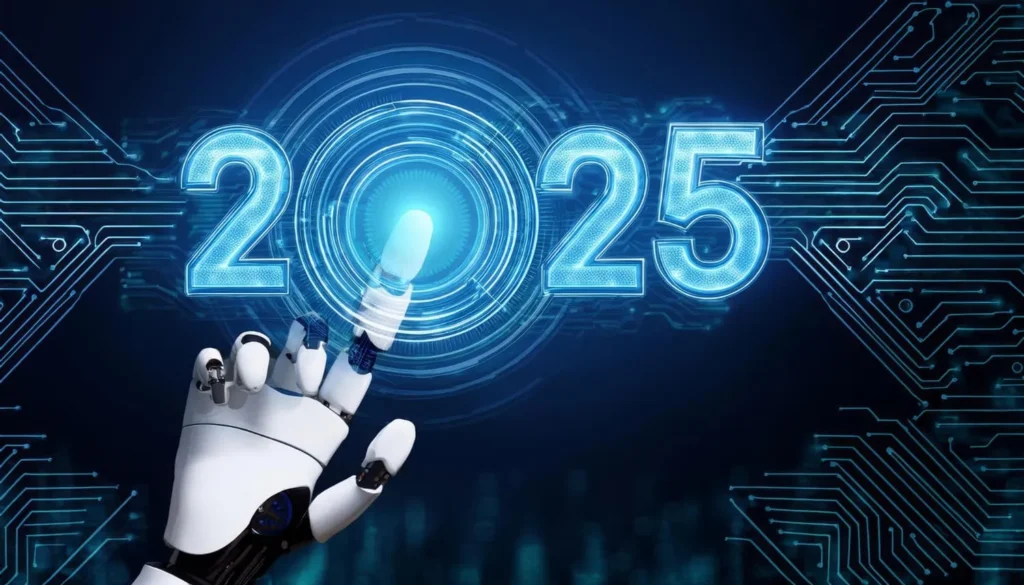
In 2025, the job market continues to evolve faster than ever — driven by artificial intelligence, remote collaboration, and global competition. Employers are no longer just looking for technical expertise; they’re prioritizing soft skills that ensure adaptability, leadership, and effective communication in hybrid work environments. Whether you’re a job seeker or a hiring manager, understanding which soft skills matter most can set you apart.

What are the most in-demand soft skills in 2025?

The top soft skills in 2025 include emotional intelligence, adaptability, critical thinking, communication, collaboration, and growth mindset. These qualities enable professionals to navigate uncertainty, work effectively across cultures, and leverage AI tools strategically.

In today’s fast-changing world of work, companies want talent that can think beyond tasks — people who build trust, lead with empathy, and solve problems creatively. At Expert Recruiting, we see these traits consistently ranked as top priorities across industries, from tech and logistics to healthcare and finance.

Why do employers value soft skills more than ever?

Because automation is handling more technical tasks, employers now depend on people who can lead, innovate, and build human connections — things machines can’t replicate. Soft skills amplify the impact of technical ability.

For example, two candidates may have similar credentials in data analysis, but the one who can clearly communicate insights, manage feedback, and adapt to new priorities will outperform in leadership potential. Recruiters at Expert Recruiting often emphasize that hiring for attitude and soft skills leads to longer employee retention and stronger team culture.

How can I identify my strongest soft skills?

Start by reflecting on how you handle challenges, feedback, and collaboration. Think of moments when you solved a conflict, learned quickly under pressure, or helped a team succeed. Then, ask peers or supervisors for feedback to confirm patterns.

You can also take personality or career assessments (such as CliftonStrengths or DISC) to pinpoint your natural tendencies. Combine this self-awareness with real-world examples — recruiters love when candidates can back up their strengths with stories that show impact, not just adjectives.

What are effective ways to showcase soft skills on a resume or LinkedIn profile?

Use measurable examples and action-driven language. Instead of simply listing “communication” or “leadership,” describe how you used them:

“Led weekly cross-functional meetings improving project delivery speed by 20%.”

“Resolved client escalations with empathy, increasing satisfaction scores by 15%.”

Also, update your LinkedIn “About” section with short, authentic stories that reflect your personality and growth mindset. Expert Recruiting recommends weaving soft skills naturally into your achievements, rather than isolating them in a generic list.

How can I demonstrate soft skills during an interview?

Employers look for authenticity and emotional awareness. Use the STAR method (Situation, Task, Action, Result) to structure your answers — it keeps you concise and focused on real impact.

For instance, if asked about teamwork, share a story that reveals both collaboration and adaptability. Non-verbal communication matters too: maintaining eye contact, active listening, and responding thoughtfully all reinforce your interpersonal strengths. Practicing mock interviews or recording yourself can help refine your delivery and presence.

Are some soft skills industry-specific?

Yes — while emotional intelligence and communication are universal, each industry highlights certain nuances.

Tech and engineering: adaptability, creativity, and cross-functional collaboration.

Healthcare: empathy, resilience, and active listening.

Logistics and operations: problem-solving and stress management.

Marketing and HR: storytelling, persuasion, and relationship-building.

At Expert Recruiting, we tailor candidate coaching to align these skills with each sector’s expectations, ensuring every professional presents the most relevant version of themselves to hiring managers.

How can I keep improving my soft skills over time?

Treat soft skills like muscles — they grow with deliberate practice. Engage in team projects, seek mentorship, volunteer in leadership roles, and request feedback regularly. Stay curious and reflect after each major work experience: What did I learn about myself and others?

Continuous learning, emotional regulation, and openness to change are the foundations of professional longevity. In 2025, lifelong learners — not just technical experts — are leading the future of work.

Conclusion: Your soft skills are your strongest career currency

In a world where technology evolves daily, your ability to connect, adapt, and inspire remains your greatest competitive advantage. Whether you’re pursuing a promotion or a new opportunity, now is the perfect time to elevate your soft skills and showcase them with intention.

👉 Connect with Expert Recruiting

 to discover how our team can help you identify, articulate, and position your strengths for the roles that fit you best. Your next career leap could begin with one powerful conversation.

17Sep

The Importance of Innovating Your Employer Branding for the New Workforce

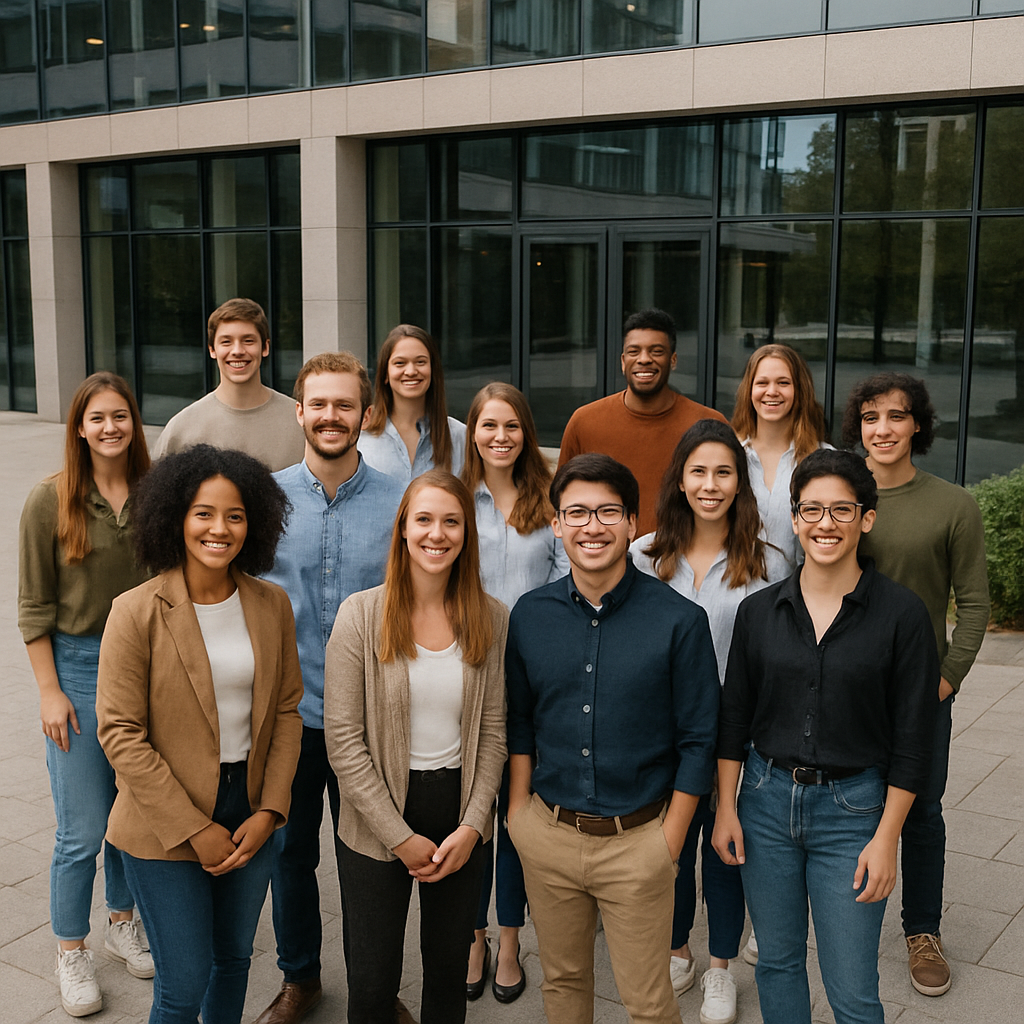
In today’s rapidly shifting labor market, employer branding is no longer static—it must evolve to meet the expectations of a new generation of professionals. Gen Z and Millennials, now representing the majority of the workforce, are reshaping the way companies must present themselves. Flexibility, inclusion, and integration are not simply “nice to have” values; they are the foundation of how young professionals decide where to build their careers.

Why Constant Innovation Matters

The world of work is constantly influenced by social change, digital transformation, and shifting priorities around work-life balance. A company that innovates its employer branding shows it is in tune with these dynamics. This doesn’t mean reinventing the wheel every year, but consistently refreshing messaging, policies, and culture to resonate with the people you want to attract.

When organizations invest in modern, innovative branding strategies, they send a clear message: we are adaptable, we are progressive, and we care about the future of our people.

Flexibility as a Core Value

For today’s professionals, flexibility goes beyond remote work. It encompasses hybrid structures, personalized career paths, and adaptable benefits that align with diverse lifestyles. Companies that highlight flexible policies in their branding demonstrate an understanding of the realities young professionals face—and position themselves as employers who truly support growth.

Inclusion and Integration: Beyond Buzzwords

Diversity and inclusion efforts are no longer slogans on a website; they must be lived experiences within an organization. By integrating inclusion into everyday operations—mentorship programs, leadership pipelines, equitable pay practices—companies create authentic stories to share in their employer branding. These stories are what inspire new generations to see themselves thriving within your company.

Building a Place for Growth

Ultimately, employer branding innovation should highlight opportunities for professional and personal growth. Career development programs, transparent promotion tracks, and continuous learning initiatives all signal to candidates that your company is a place where their ambitions can become reality.

Conclusion

The companies that succeed in attracting and retaining top talent will be those that see employer branding as a living, evolving strategy. By staying innovative, flexible, inclusive, and integrated, you don’t just attract the workforce of today—you inspire the workforce of tomorrow to want to grow with you.

29Jul

The Companies That Win Are Rethinking How They Hire

The way we build teams has fundamentally changed. Recruitment, once rooted in paper resumes and gut feelings, has been transformed by technology—and it’s reshaping the way companies grow.

Innovation in hiring isn’t just about efficiency. It’s about evolution. As organizations face shifting talent markets, skill shortages, and changing employee expectations, the tools they use to find and engage talent have never been more important.

Technology now allows companies to move beyond outdated practices and into a more strategic, data-driven approach. Artificial intelligence can analyze candidate profiles at scale, automation can streamline repetitive tasks, and digital platforms can widen access to previously untapped pools of talent. These advances are reducing time-to-hire, improving quality-of-hire, and enhancing the candidate experience—all of which have a direct impact on business outcomes.

What was once a process of intuition and paperwork is now guided by insight and intelligence. And the companies that embrace this shift are seeing the difference. They’re able to respond more quickly to changing needs, identify better matches for complex roles, and make more informed, future-oriented hiring decisions.

But innovation in recruitment isn’t just about speed or scale. It’s about fit. With the right tools, companies can go deeper into what truly matters—culture alignment, growth potential, and long-term value. That level of precision helps reduce turnover, strengthen team dynamics, and ultimately boost performance.

Moreover, as remote work and global teams become more common, digital-first recruitment methods are helping businesses reach the right people, wherever they are. It’s no longer about who lives nearby—it’s about who brings the right value to the table.

Still, none of this replaces the human element. Technology supports decision-making, but it doesn’t replace it. The strongest hiring strategies blend innovative tools with human insight. They automate what can be automated and humanize what needs to stay personal—like interviews, mentorship, and onboarding.

In the end, companies that invest in smarter hiring don’t just fill roles faster. They build stronger organizations. They adapt more quickly, attract stronger candidates, and create work environments where people want to stay and grow.

Hiring is no longer just an operational task—it’s a strategic advantage. And in a business environment where talent drives everything, how you hire might just be the most important decision you make.

26Jun

How Artificial Intelligence Is Transforming Recruitment in 2025

Artificial intelligence is redefining the way organizations attract, evaluate, and hire talent. What once required extensive manual effort is now enhanced through intelligent algorithms that optimize every stage of the recruitment process. From resume screening to cultural alignment analysis, AI brings greater efficiency, precision, and strategy to hiring.

In the early stages of talent acquisition, AI-driven tools make it possible to analyze large volumes of applications within seconds. These systems identify key skills, experiences, and patterns aligned with a company’s requirements—highlighting top candidates with impressive accuracy. This leads to faster and more informed decisions.

Beyond speed, AI contributes to fair and objective selection by focusing on data and defined criteria. This approach supports inclusive recruitment practices and helps create more diverse teams by emphasizing potential and qualifications.

AI also plays a key role in predictive hiring. By understanding behavioral patterns, communication styles, and learning preferences, AI enhances the ability to identify candidates who align with company values and team dynamics. This results in stronger, longer-lasting hires.

Candidates enjoy a more responsive and personalized experience thanks to features like automated scheduling, intelligent virtual assistants, and tailored recommendations. These tools help ensure each interaction is meaningful and timely.

At the center of this transformation is a powerful synergy between technology and people. AI enhances the recruiter’s ability to focus on high-value activities such as building relationships, evaluating soft skills, and making decisions rooted in empathy and experience. The future of recruitment is shaped by collaboration—where technology supports human expertise to create outstanding outcomes.

As we move forward in this digital era, recruitment teams that embrace innovation and adaptability are positioned to lead. With AI as a strategic partner, the hiring process becomes more agile, insightful, and human-centered than ever before.